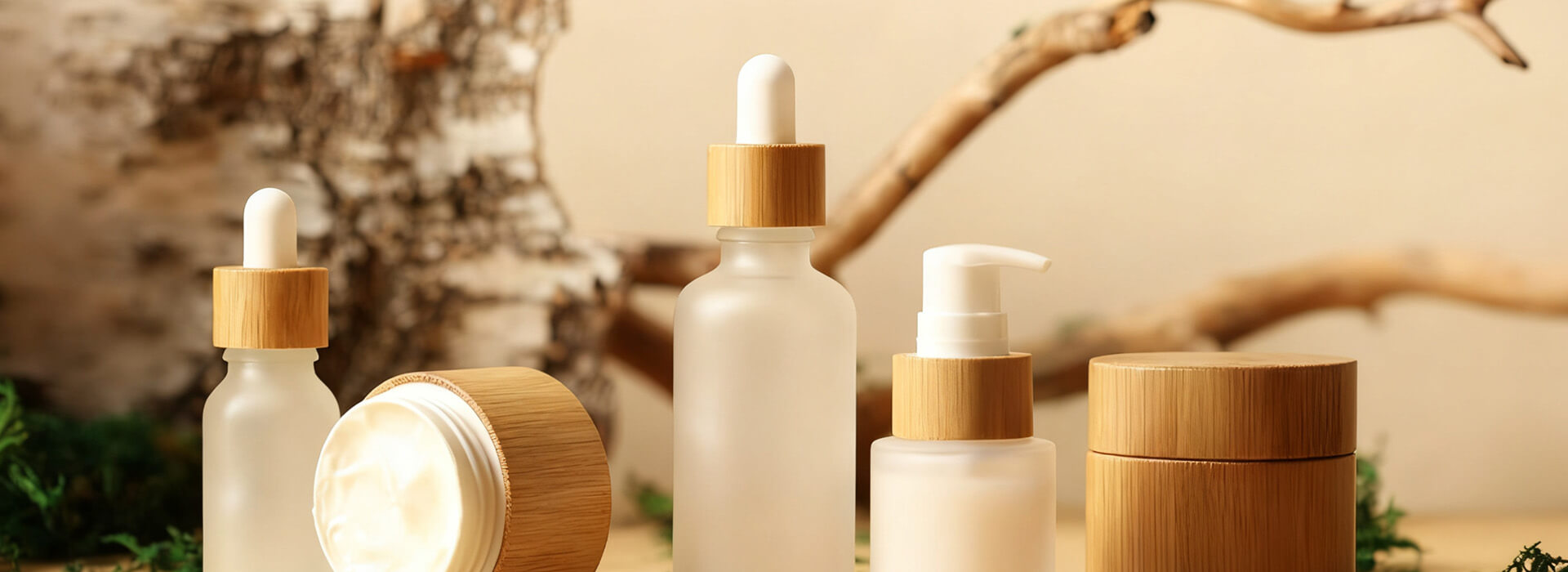
Most people step into the shampoo aisle without thinking about the building blocks of smooth skin lotions or pillowy conditioners. Behind the labels, a few old school ingredients keep showing up because, frankly, they get results. Cetearyl alcohol and cetyl alcohol might sound synthetic or harsh, yet for decades, both ingredients have made skin creams soft, helped shampoo feel rich, and improved how hair behaves. Both come from plant or synthetic sources, and each has a track record backed by years of heavy scrutiny.
Making skin or hair care products without irritating the skin or making hair stiff takes some basic chemistry. Ingredients like cetearyl alcohol and cetyl alcohol act as moisturizing agents, thickening the texture and helping water and oils mix. These are not the same as the drying alcohols in hand sanitizer. Instead, these fatty alcohols soften, help lock in moisture, and reduce static. If you ever tried a “natural” lotion that feels thin or greasy, chances are it’s missing a quality emulsifier like cetearyl alcohol.
Cetearyl alcohol, a blend of cetyl and stearyl alcohol, often appears high on the ingredient list for a reason. It turns a runny lotion base into something rich and pleasant on the skin. Sometimes, people want to avoid cetearyl alcohol, perhaps after spotting scary headlines or reading a misinformed social post equating all alcohols with dryness or irritation. Yet, research shows cetearyl alcohol rarely triggers reactions—it's one of the milder choices for those with eczema or sensitive skin. Visit Paula’s Choice Ingredient Dictionary, and you’ll find cetearyl alcohol pegged as safe, non-irritating, and useful for both skin and hair. Brands aren’t chasing trends here; they use ingredients that work and support formulas with evidence.
The same goes for cetyl alcohol, another fatty alcohol. Cetyl alcohol helps lotions and conditioners feel creamy and smooth, offering a gentle way to soften rough spots or hydrate dry strands. Both ingredients pick up “bad press” due to their name, which can scare off shoppers looking to avoid ethanol, isopropyl alcohol, or other more aggressive solvents. Much of this confusion clears up with a quick visit to resources like Paula’s Choice or the INCIDecoder databases, where fact replaces rumor.
The clean beauty movement did spark trends for “conditioner without cetearyl alcohol” or “cetearyl alcohol free conditioner.” Some brands swap out these fatty alcohols for natural butters, plant-derived alternatives, or silicone derivatives, all trying to offer a gentler touch or a label free of misunderstood ingredients. There’s no question that clarity matters—people want to know what’s in their products and trust the safety profile. If someone finds their scalp reacts to fatty alcohols (a tiny minority of consumers), a Cetearyl Alcohol Free Conditioner could bring peace of mind and comfort. Still, the majority won’t see breakouts or dryness from formulas containing cetearyl or cetyl alcohol.
Manufacturers sometimes wrestle with cost, supply chain issues, and customer demands for transparency. Riding this line means offering “cetearyl alcohol for sale” or “cetyl alcohol for sale” in bulk to small brands, formulating both traditional and alternative conditioners, and explaining the ingredient story every step of the way. Value comes from giving choices, offering lab testing, and helping both pros and end-users find what works best for their hair and skin type.
People who make skin cream or conditioner at scale look for stability, safety, and good skin feel. Cetearyl alcohol and the related molecule cetyl stearyl alcohol (a similar blend, often found under the same naming conventions) meet those marks according to regulatory guidelines across Europe, North America, and Asia. Companies supplying these fatty alcohols lean on CAS numbers like 67762-27-0 for accuracy and transparency, so buyers know exactly what they get. Modern customers—DIYers, indie brands, large contract manufacturers—want the option to buy cetearyl alcohol with documentation, proper grade certification, and support, not just a plain white powder in a bag.
In the current climate, ingredient traceability sits in the center of purchasing decisions. Every cetearyl or cetyl alcohol batch should have a clear origin story, a data sheet confirming safe sourcing, and a trail back to the manufacturer. Many buyers search for “cetearyl alcohol Paula’s Choice” or “Paula’s Choice ingredient dictionary cetearyl alcohol” just to verify that science supports the product’s safety. Good chemical companies step up by publishing lot analysis, showing dermal safety records, and linking to third-party databases confirming results.
People want to read a label and understand what’s inside. Paula’s Choice, among many brands, has taken the lead, delivering ingredient transparency and citing studies in plain language. This approach builds trust and allows customers to weigh the benefits and risks for themselves. Ingredient lists that include cetyl alcohol or cetearyl alcohol do so because of decades of safety assessments. Everyday users find conditioners and creams holding up longer and providing a moisture barrier when these ingredients round out the formula.
Certain groups need to avoid cetearyl alcohol, either due to allergy or medical advice, so “hair conditioner without cetearyl alcohol” pops up in online searches. Companies react by developing alternate emulsifiers or offering natural blends for that gap in the market. Things that work for some won’t suit others, but the broad availability of safe, effective fatty alcohols allows for millions of formulas tailored for every scalp, skin type, or intolerance.
Building formulas that work means starting with what’s proven and adjusting for personal needs. Brands and chemical suppliers should offer robust technical support, access to published ingredient data, and flexibility in formulation. Product makers can pair reliable cetearyl alcohol or cetyl stearyl alcohol with humectants, silicones, or alternative plant ingredients, adapting to demand as trends shift.
For those formulating without cetearyl alcohol, toolkits should include training on new thickeners or emulsifiers, as well as the science behind why these changes matter. Suppliers gain respect by listening—offering both cetearyl-based and alcohol-free options, addressing myths through fact-based discussion, and sharing the why behind each ingredient. Brands that take the time to link ingredients to peer-reviewed safety data, like those featured in the Paula’s Choice Ingredient Dictionary, win loyalty and trust. Transparency about sourcing, processing, and environmental impact lets customers make informed choices without fear-mongering or spin.
No one walks into a store expecting to see “cetyl alcohol for hair” on the front label, yet the evidence says these fatty alcohols keep hundreds of hair and skin products stable, gentle, and pleasant to use. Seasoned chemists know how to balance function, feel, and safety using cetearyl or cetyl alcohol when the formula calls for it. Yet, for those who need cetearyl alcohol free conditioner or seek alternatives out of caution, the industry steps up with new blends and plenty of choice.
So long as brands keep listening, explaining, and backing every choice with clear data, shoppers can trust they’re getting products made with both science and care—not just marketing stories or recycled rumors.


